Building Wealth Through Branded Hotels in the Dominican Republic
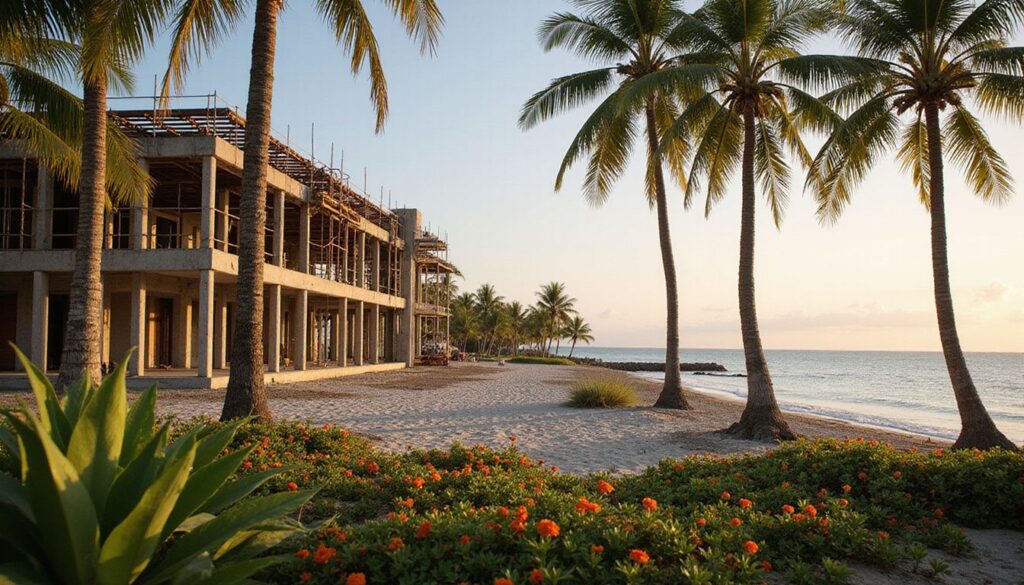
Many investors think the Caribbean hotel market lacks serious luxury opportunities. This belief changes when you examine the Dominican Republic’s $212 million Tropicalia project, which sets costs at over $1 million per key compared to typical local developments under $300,000 per key.
Building wealth through branded hotels in the Dominican Republic offers investors access to one of the Caribbean’s fastest-growing tourism markets, where government incentives and strategic location create exceptional returns.
The country’s tourism industry generates billions in revenue annually, supported by world-class infrastructure investments that prioritize visitor experience and safety.
My fifteen years analyzing Caribbean real estate investment patterns reveal why branded hotels in the Dominican Republic outperform traditional hospitality investments across the region.
The combination of luxury accommodations demand, premium rental income potential, and established management partnerships creates a compelling case for serious investors. Major hospitality brands recognize this opportunity, with Four Seasons, Wyndham, and boutique operators expanding their Dominican presence through strategic real estate development projects.
Your investment success depends on understanding these market dynamics.
Key Takeaways
- The Dominican Republic’s tourism sector contributed $9.7 billion to GDP in 2023, with hotel occupancy rates above 85% in Punta Cana.
- Branded hotels command 30% price premiums over non-branded properties, with Law No. 158-01 offering 15-year tax exemptions for investors.
- Major developments like Tropicalia’s $212 million project cost over $1 million per key compared to typical local developments under $300,000.
- Foreign investors receive equal legal treatment under Dominican Constitution, with property tax exemptions on first $150,000 investment amounts.
- The global sustainable tourism market reached $208.2 billion in 2023, expecting annual growth exceeding 12% through 2028 in experiential travel.
Reasons to Invest in Branded Hotels in the Dominican Republic
The Dominican Republic presents exceptional investment opportunities in branded hospitality real estate that deliver substantial rental income returns. Strategic location advantages, government incentives for foreign investors, and a thriving tourism industry create the perfect foundation for luxury hotel investments that generate consistent occupancy rates and premium amenities revenue.
What makes the Dominican Republic’s location strategic in the Caribbean?
The Dominican Republic sits just two hours south of Miami by flight, creating unmatched accessibility for North American tourists and investors. This prime Caribbean location provides direct market access to over 300 million potential visitors from the United States and Canada.
Strong infrastructure connects the country to major international markets across North America, Latin America, and the Caribbean region.
Punta Cana now offers more airlift capacity than Cancun, Mexico, demonstrating the country’s growing aviation infrastructure and tourism appeal. Trade agreements with approximately 50 countries facilitate smooth international business operations for foreign investors.
CAFTA-DR membership ensures fair treatment of international investors while providing preferential access to both North and South American markets, making hotel investment particularly attractive for wealth-building opportunities.
Why is the tourism industry thriving in the Dominican Republic?
The Dominican Republic’s tourism sector has achieved remarkable success through strategic positioning and strong fundamentals. Government support and industry leadership helped the country recover quickly from COVID-19 impacts, establishing it as a premier Caribbean destination.
Tourism contributed $9.7 billion to GDP in 2023, marking a substantial 10.7% year-over-year increase that demonstrates the sector’s explosive growth trajectory.
The Dominican Republic’s service standards, sustainability, and diversified offerings position it for ongoing global success in the hospitality market.
Strategic infrastructure development drives continued expansion across the hospitality landscape. Currently, 15,000 hotel rooms are under construction, reflecting massive investor confidence and market demand.
Government and private sector collaboration ensures sustainable, high-quality tourism growth that attracts discerning travelers seeking premium experiences. Punta Cana exemplifies this success with beautiful beaches, water sports, national parks, and historical sites that create diverse revenue streams for hotel investors.
Service standards and sustainability initiatives differentiate Dominican properties from regional competitors, while diversified offerings appeal to various traveler segments seeking authentic Caribbean experiences.
What government incentives exist for foreign investors?
The Dominican Republic provides substantial tax incentives across multiple sectors to attract foreign investment. Law No. 158-01 grants tourism investors, including hotel developers, tax exemptions for up to 15 years.
Foreign real estate buyers receive property tax exemptions on their first $150,000 investment. Companies operating in free trade zones enjoy zero income tax and duty-free imports on equipment and materials.
Renewable energy projects benefit from Law No. 57-07, which offers income tax exemptions for ten years. Investors access these investment exemptions by filing applications with ProDominicana and meeting specific sector criteria.
This regulatory framework creates significant economic benefits for foreign investors entering the Dominican market. Free trade zones particularly attract manufacturing and service companies seeking to reduce operational costs while maintaining access to international markets.
Key Factors Driving Wealth Through Branded Hotels
Branded hotels in the Dominican Republic generate substantial wealth through strategic factors that maximize investment returns and capitalize on the country’s booming hospitality sector.
These luxury properties leverage premium positioning, exceptional occupancy rates, and evolving traveler demands to create multiple revenue streams that consistently outperform traditional real estate investments.
How do high occupancy rates boost hotel investment returns?
High occupancy rates directly drive revenue growth and profitability for hotel investments in the Dominican Republic. Hotel occupancy in Punta Cana remains above 85%, according to the Central Bank of the Dominican Republic, creating consistent cash flow that maximizes return on investment.
Increased occupancy leads to higher revenue generation for hotels, enhancing profit margins through economies of scale and operational efficiency. Strong hotel performance due to high occupancy attracts more investments from major hotel chains, creating a positive cycle that elevates property valuation and market demand.
Property owners benefit from multiple revenue streams as occupancy statistics improve across their branded hotel portfolio. Higher occupancy rates can create more job opportunities, contributing to the local economy while reducing operational costs per guest.
Occupancy rates influence property values, leading to appreciation in real estate near hotel developments. An expected 12% increase in average hotel rates for 2025 compounds these returns, allowing investors to capture both volume and pricing advantages simultaneously.
Why can luxury accommodations command premium pricing?High occupancy rates create a foundation for sustainable profitability, allowing hotel investors to optimize both operational efficiency and revenue per available room while building long-term wealth through consistent performance metrics.
Luxury accommodations command premium pricing through their association with prestigious properties and brand reputation that affluent buyers actively seek. Branded real estate combines luxury and prestige, creating exclusive lifestyles that justify higher costs.
Properties with reputable global brands offer high-end amenities and sophisticated experiences that standard accommodations cannot match. Trust in global brands enhances the perceived value of luxury properties, making investors willing to pay substantial premiums for these prestige properties.
The Dominican Republic demonstrates this principle clearly, as branded residences can command price premiums of up to 30% compared to non-branded alternatives. Success of globally recognized luxury developments sets benchmarks for pricing across the market.
Investment potential increases significantly with premium pricing strategies, as luxury real estate generates superior return on investment compared to standard properties. Market benchmarks established by elite brands create a pricing floor that protects investor returns while attracting discerning travelers who prioritize quality over cost.
What is driving the growing demand for experiential travel?
Modern travelers prioritize unique experiences over traditional accommodations, creating substantial opportunities for branded hotels in the Dominican Republic. The global sustainable tourism market reached $208.2 billion in 2023 and expects annual growth exceeding 12% through 2028.
This shift drives demand for luxury travel and experiential offerings that connect guests with local culture, adventure activities, and authentic Caribbean experiences. Eco-tourism attracts visitors seeking sustainable practices and environmental consciousness in their travel choices.
Branded hotels capture this market growth by offering curated experiences that standard accommodations cannot match. The Dominican Republic’s tourism industry contributed $9.7 billion to GDP in 2023, reflecting strong travel demand for distinctive vacation experiences.
Investors benefit as experiential travel commands premium pricing, with guests willing to pay more for memorable activities, personalized services, and unique cultural immersion. This trend transforms hotels from simple lodging into comprehensive experience providers, generating higher revenue streams and improved occupancy rates for savvy investors.
Notable Branded Hotel Developments
The Dominican Republic’s branded hotel sector showcases remarkable developments that demonstrate the market’s exceptional investment potential and growing appeal to luxury travelers seeking premium accommodations.
Discover how these groundbreaking projects are reshaping the Caribbean hospitality landscape and creating unprecedented wealth-building opportunities for savvy investors.
How is Playa Grande Beach Club redefining boutique luxury?
Playa Grande Beach Club sets a new standard for boutique luxury through its exclusive nine standalone bungalows positioned on the Dominican Republic’s pristine north coast. Each bungalow features unique accommodations with one-, two-, and three-bedroom layouts that showcase individual decorative elements and beachfront access.
This intimate hospitality concept limits capacity to fewer than 30 guests at any given time, creating an exclusive island experience that traditional large-scale resorts cannot match.
Luxury extends beyond the accommodations through carefully curated amenities including a central house with restaurant and bar facilities, a two-story library, beachfront pool, and compact gym.
Cuisine focuses on farm-fresh ingredients that highlight island-inspired dishes and classic Dominican flavors, elevating the dining experience for discerning guests. This boutique approach delivers exceptional relaxation opportunities while maintaining the personalized service standards that define premium hospitality investments in the Caribbean market.
What expansions are Wyndham Alltra Punta Cana and Samaná making in all-inclusive offerings?
Wyndham Alltra Punta Cana and Samaná are undergoing major renovations that will transform their all-inclusive offerings for investors seeking premium hospitality assets. Wyndham Alltra Punta Cana features 620 rooms and is expanding its culinary options while enhancing recreational amenities to attract higher-paying guests.
Wyndham Alltra Samaná includes 404 accommodations and is implementing similar upgrades to elevate its service standards and guest experiences.
Aimbridge Hospitality now manages both resort properties and focuses on curated experiences that command premium pricing in the competitive Caribbean market. These renovations target the growing demand for elevated hospitality service and luxury amenities among international travelers.
Both properties are positioning themselves to capture increased revenue per guest through expanded dining venues, upgraded accommodations, and enhanced recreational facilities that appeal to affluent tourists seeking exceptional all-inclusive experiences.
How will the new $160 million resort in Punta Cana impact investors?
The W Punta Cana represents a transformative $160 million investment opportunity that demonstrates the Dominican Republic’s rising status in global luxury hospitality markets. This adult-only all-inclusive resort in Uvero Alto brings 340 premium rooms and 12 gourmet restaurants to the region, creating substantial economic ripple effects for investors across multiple sectors.
The development generates thousands of direct and indirect employment opportunities spanning hospitality operations, construction projects, and supply chain management services.
International investors view this resort launch as a strong signal of growing confidence in the Dominican Republic’s tourism infrastructure and long-term economic stability. The project’s scale and luxury positioning attract high-spending travelers who drive premium pricing models and increased revenue per available room metrics.
Smart investors recognize that such significant hospitality investments typically catalyze broader regional development, boosting property values and creating new business opportunities in surrounding areas while strengthening the destination’s global tourism appeal.
The Role of Partnerships in Hotel Investment
Strategic partnerships with established management companies form the backbone of successful hotel investment ventures in the Dominican Republic. Global hospitality brands bring proven operational expertise, sophisticated marketing networks, and standardized luxury amenities that drive higher occupancy rates and premium rental income across prime real estate locations.
Why is choosing the right management company important?
Selecting the right management company determines your hotel investment’s profitability and operational success. A skilled hospitality management firm alleviates daily operational burdens, freeing owners to focus on strategic goals and long-term vision.
These companies handle critical revenue management functions, optimize operational efficiency, and execute comprehensive marketing strategies that directly impact your bottom line.
Professional management teams bring specialized expertise in areas like pricing optimization, guest experience enhancement, and cost control measures that individual owners often lack.
Management company fees vary significantly across the industry, creating substantial impacts on overall profitability and investment returns. Smart investors retain control over strategic vision and financial oversight while delegating complex daily operations to experienced professionals.
The right partnership transforms hotel performance through proven systems, established vendor relationships, and industry connections that maximize revenue potential. Poor management selection leads to decreased occupancy rates, operational inefficiencies, and reduced property values that can devastate investment returns over time.
How do collaborations with global hospitality brands benefit investors?
Choosing the right management company sets the foundation for success, but partnering with global hospitality brands takes investment opportunities to an entirely different level. These collaborations transform luxury real estate projects into highly sought-after assets that attract high-net-worth individuals from around the world.
Global hospitality brands bring instant recognition and credibility to hotel investments in the Dominican Republic. Properties under prestigious names like Amanera, Tropicalia, and St.
Regis Cap Cana command premium pricing and generate substantial rental income for investors. Brand affiliation creates immediate market demand, as affluent buyers specifically seek properties associated with world-class hospitality standards.
These branded private residences offer guests the perfect combination of luxury resort amenities and personal privacy, making them irresistible to discerning travelers. Advanced branded residence projects demonstrate remarkable potential for asset appreciation, with property values increasing up to 30% above comparable non-branded developments.
This significant appreciation reflects the power of global brand recognition in driving long-term investment returns.
Economic and Social Impact of Hotel Investments
Hotel investments in the Dominican Republic create thousands of direct and indirect jobs across construction, hospitality, and service sectors. These developments stimulate local economies by increasing demand for local suppliers, transportation services, and cultural attractions while contributing significantly to the nation’s GDP growth through tourism revenue.
How do hotel investments contribute to job creation and community development?
Hotel investments create substantial employment opportunities across multiple sectors in the Dominican Republic. Investment projects in Punta Cana have generated over 15,000 direct and indirect jobs spanning construction phases and ongoing hotel operations.
These positions range from skilled construction workers and project managers to hospitality staff, maintenance crews, and administrative personnel. Local communities benefit from sustained income streams that support families and drive consumer spending throughout the region.
Property values increase significantly in areas surrounding new resort developments, creating wealth for existing landowners and residents. High-end hotel establishments promote luxury tourism segments that attract affluent visitors, injecting premium spending into local economies.
Projects like MAREA GOLF & SPA RESIDENCES drive high-value real estate investments that elevate community standards and infrastructure quality. The anticipated 12% increase in average hotel rates for 2025 signals strong investment returns that translate into higher wages, improved services, and enhanced community development initiatives across affected regions.
What is the contribution of hotel investments to national GDP growth?
Hotel investments drive substantial economic growth in the Dominican Republic through direct GDP contribution and multiplier effects across the service sector. Tourism contributed 18% of value-added GDP, making it a cornerstone of the national economy.
Foreign direct investment (FDI) in hotel projects totaled US$ 2.4 billion from 2000 to 2011, demonstrating the sector’s ability to attract significant capital flows. The tourism cluster achieved a compound annual growth rate (CAGR) of approximately 9% since 1978, outpacing many other economic sectors.
Economic openness policies, including hotel investment incentives, fueled sustained growth since the mid-1990s. Services, including the hospitality sector, accounted for 77% of GDP growth from 2000 to 2010.
This performance reflects the sector’s capacity to generate value-added economic activity beyond direct hotel operations. The industry creates extensive backward linkages with construction, agriculture, transportation, and retail sectors, amplifying its GDP impact throughout the economy.
Challenges and Risks in Hotel Investments
Hotel investment in the Dominican Republic presents significant market competition that directly impacts profitability and occupancy rates for new developments. Investors face complex regulatory frameworks and licensing requirements that demand specialized legal expertise and substantial time commitments to ensure compliance with local hospitality laws.
How does market competition affect hotel investments?
Market competition creates significant pressure on hotel investment returns through direct impact on revenue management and performance metrics. Branded hotels experience lower volatility in key performance indicators compared to independent properties, giving investors more predictable income streams.
The COVID-19 pandemic has intensified market competition across the hospitality sector, requiring stronger brand strategy to maintain market share against rivals. Brand affiliation significantly influences hotel revenue by serving as a quality signal that helps properties stand out in crowded markets.
Competitive advantage becomes essential for sustaining profitability as market dynamics shift rapidly in response to economic volatility. Effective branding strategies enhance customer loyalty, which improves market competitiveness and creates barriers against new entrants.
The lack of long-term leases in hotel investments increases income uncertainty, making strong market positioning even more critical for investor success. Investment risk rises when properties cannot differentiate themselves effectively, leading to price wars that erode profit margins across entire market segments.
What are the challenges in navigating local regulations and licensing?
Foreign investors face significant regulatory frameworks that create substantial barriers to market entry in the Dominican Republic’s hotel sector. Project approval delays frequently occur due to complex zoning regulations and lengthy approval processes that can extend development timelines by months or even years.
Compliance requirements demand extensive documentation across multiple government agencies, while licensing requirements vary significantly between provinces and municipalities. Changes in billing procedures during project development add unexpected costs and administrative burdens that impact investment returns.
Independent project development encounters particular challenges as regulatory complexities create hindrances that require specialized local expertise to overcome. Permits must be obtained from various departments, each with distinct requirements and processing times that rarely align with investor expectations.
Legal challenges emerge when approval processes change mid-development, forcing investors to restart portions of their licensing applications. Understanding these market entry barriers becomes crucial for successful hotel investment, as project management must account for regulatory delays that can derail carefully planned construction schedules and opening dates.
These investment risks directly influence the importance of selecting experienced local partners and management companies.
How can investors adapt to evolving traveler preferences?
Investors must adjust their hotel offerings to match new traveler preferences that prioritize sustainable practices and experiential travel. Modern guests increasingly seek eco-friendly accommodations that minimize environmental impact while providing authentic local experiences.
This shift in consumer behavior requires investors to integrate green technologies, support community engagement initiatives, and develop properties that showcase local culture. The return cycle for hotel investments now depends heavily on adaptation to changing market demands, making flexibility a crucial investment strategy.
Hotels that fail to embrace these evolving preferences risk declining occupancy rates and reduced profitability. Smart investors incorporate sustainable design elements, partner with local communities for authentic experiences, and offer unique amenities that differentiate their properties from traditional accommodations.
Market trends show travelers willing to pay premium rates for properties that align with their values and provide meaningful experiences. Successful adaptation requires ongoing market research to understand shifting guest expectations and implementing changes that enhance both guest satisfaction and long-term return on investment.
What Legal Protections and Ownership Rights Do Investors Have in the Dominican Republic?
The Dominican Republic offers strong legal protections and comprehensive ownership rights for foreign investors through its well-established legal framework. The Dominican Constitution accords foreign and local investors equal treatment under the law, ensuring that international investors receive the same legal rights and protections as domestic investors.
This constitutional guarantee creates a secure foundation for property ownership and hotel investments, eliminating discriminatory practices that might affect foreign capital. Foreigners in the Dominican Republic are expressly granted equal legal rights, which extends to real estate acquisition, business operations, and investment activities across all sectors.
Law No. 158-01 provides significant economic security through substantial tax incentives for approved tourism projects. This legislation offers exemption from goods and services tax, plus income tax exemption for up to 15 years for qualifying hotel developments.
The country’s CAFTA-DR membership guarantees fair treatment of foreign investors and provides additional regulatory protections through international trade agreements. Foreign investors can file applications with ProDominicana to access these legal protections and incentives, streamlining the investment process while ensuring compliance with local regulations.
These comprehensive legal safeguards create an attractive investment climate that protects capital while maximizing returns for branded hotel developments.
Tips for Aspiring Hotel Investors
Smart hotel investors in the Dominican Republic must master specific strategies to maximize their returns and minimize risks. Understanding the country’s generous tax incentives can significantly boost your investment profitability, with programs like CONFOTUR offering up to 15 years of tax exemptions for qualifying hospitality projects.
Specialized financing options through Dominican banks and international lenders provide flexible credit solutions tailored for luxury hotel developments. Conducting thorough market research and feasibility studies helps investors identify prime locations with high occupancy potential and strong rental income prospects.
Successful real estate investors partner with experienced local attorneys who understand Dominican property laws and can secure proper ownership rights. Due diligence on management companies ensures your hospitality investment operates efficiently and maintains premium amenities that attract discerning guests.
Continue reading to discover how these investment strategies translate into substantial wealth-building opportunities in the Caribbean’s most promising tourism market.
How can investors understand Dominican tax incentives?
Law No. 158-01 offers investors substantial income tax exemptions for up to 15 years on hotels and resorts. Approved tourism projects can deduct up to 20% of yearly profits, creating significant investment benefits for hotel developers.
Foreign buyers receive property tax relief on the first $150,000 of their investments, reducing initial capital requirements. The Dominican Republic operates 79 free trade zones that provide total exemptions from income tax, sales tax, and customs duties for qualifying businesses.
Renewable energy projects gain access to tax exemptions on income and customs-free imports of equipment and materials. Investors must meet specific criteria and complete an application process with ProDominicana to secure these tax incentives.
The government designed these programs to attract foreign investment and boost tourism development across the country. Smart investors work with local tax professionals to maximize these profit deductions and ensure compliance with all requirements.
Understanding financing options becomes equally important for successful hotel investment strategies.
What financing and specialized credit options are available?
Hotel developers in the Dominican Republic can access diverse investment financing mechanisms that support large-scale projects. Traditional bank loans remain the primary option, with local financial institutions offering competitive rates for tourism-related developments.
International development banks provide project financing specifically designed for hospitality ventures, often featuring extended repayment terms that align with hotel investment return cycles.
Private equity firms actively seek hotel development opportunities, bringing both capital and industry expertise to partnerships.
Specialized credit mechanisms have become essential for efficient hotel development across the Caribbean region. Mezzanine financing bridges the gap between debt and equity, offering flexible terms for developers who need additional capital during construction phases.
Asset-based lending allows investors to leverage existing properties or land holdings to secure funding for new projects. Professional management companies often provide fiduciary services that help structure sustainable funding arrangements, ensuring projects maintain financial stability throughout long return cycles.
Adaptive financing solutions now include green bonds for eco-friendly developments and revenue-based financing that adjusts payments according to seasonal occupancy patterns. Understanding these credit options becomes crucial before exploring the legal protections available to foreign investors.
How should investors conduct market research and feasibility studies?
Effective market research and feasibility studies form the backbone of successful hotel investments in the Dominican Republic. Smart investors conduct comprehensive due diligence covering legal, financial, commercial, and operational aspects before committing capital.
This process begins with property evaluation and verification of ownership rights, ensuring clear title and assessing any encumbrances that could impact future operations. Market analysis must examine local tourism trends, competitor performance, and seasonal occupancy patterns across different regions.
Risk assessment becomes critical as investors evaluate potential challenges from regulatory compliance requirements to evolving traveler preferences that could affect long-term investment viability.
Business feasibility studies require thorough examination of operational contracts and franchise agreements to ensure compliance with local laws. Financial due diligence involves reviewing the financing landscape for loans and investment options specific to hotel development in the Caribbean market.
Investors must investigate sustainability practices as eco-friendly accommodations gain traction among modern travelers, directly impacting long-term viability of hotel developments.
Operational assessment should cover staffing requirements, utility infrastructure, and supply chain logistics that affect daily hotel operations. This systematic approach to investment viability helps investors make informed decisions while minimizing exposure to unforeseen market risks and regulatory hurdles.
The Future of Branded Hotels in the Dominican Republic
The Dominican Republic’s branded hotel sector stands at the threshold of unprecedented expansion, driven by emerging sustainable tourism practices and innovative eco-friendly accommodations that attract environmentally conscious luxury travelers.
Untapped coastal regions along the north shore present exceptional investment opportunities for forward-thinking hospitality investors seeking to capitalize on pristine locations before market saturation occurs.
What are the trends in sustainable and eco-friendly accommodations?
Sustainable tourism drives major changes across Dominican Republic’s hospitality sector. Hotels now implement green initiatives like solar panels, rainwater collection systems, and waste reduction programs to attract environmentally conscious travelers.
Luxury travelers pay between 30% to 50% more for accommodations featuring renewable energy systems and eco-friendly amenities. Boutique accommodations lead this transformation by showcasing local culture and craftsmanship while maintaining strict environmental standards.
Ecotourism creates new investment opportunities as developers target eco-conscious tourists seeking authentic experiences. New developments focus on preserving natural landscapes while offering personalized service that connects guests with local communities.
Hotels integrate renewable energy sources, organic gardens, and locally sourced materials to reduce their carbon footprint. These sustainable features generate higher revenue streams and attract premium-paying guests who value environmental responsibility over traditional luxury amenities.
This shift toward environmental consciousness shapes how partnerships with global hospitality brands develop and operate.
Where are the opportunities in untapped regions like the north shore?
The north shore presents untapped potential for luxury real estate investments driven by tourism growth. Government promotion of the DR enhances investment appeal, especially in lesser-developed areas where competitive per-square-foot pricing makes branded residences highly attractive.
Demand for branded private residences suggests opportunities for high-end developments in new regions that remain largely unexplored by major hotel chains.
Major developments indicate a trend toward luxury amenities that can be replicated in untapped regions across the Dominican Republic’s northern coastline. Investment opportunities in these areas offer first-mover advantages with lower land acquisition costs and reduced competition.
Regional development initiatives support infrastructure improvements that will boost property values and attract international travelers seeking exclusive destinations away from crowded resort areas.
Conclusion
Building wealth through branded hotels in the Dominican Republic presents investors with exceptional opportunities across multiple revenue streams. Strategic location advantages, government incentives, and thriving tourism create ideal conditions for luxury hospitality investment success.
Projects like Tropicalia’s $212 million development and Playa Grande Beach Club demonstrate how premium accommodations command substantial returns through high occupancy rates and experiential travel demand.
Smart partnerships with global hospitality brands, combined with proper market research and understanding of local regulations, position investors for long-term financial growth. Will you seize this moment to capitalize on the Dominican Republic’s booming hospitality sector and transform your investment portfolio through strategic hotel development opportunities?
FAQs
1. What makes branded hotels in the Dominican Republic a strong wealth-building investment?
Branded hotels in the Dominican Republic offer investors access to established management systems, proven marketing channels, and international guest networks. The country’s robust tourism industry generates consistent revenue streams, with occupancy rates averaging 75% annually according to recent hospitality data. Major hotel brands provide operational expertise that independent properties cannot match.
2. How do branded hotel investments compare to other real estate opportunities in the Caribbean?
Branded hotel investments typically yield higher returns than traditional real estate due to their revenue-generating capabilities and professional management structures. Industry experts report that well-positioned branded properties can achieve 8-12% annual returns compared to 4-6% for standard commercial real estate. The Dominican Republic’s strategic location and tourism infrastructure create competitive advantages over other Caribbean markets.
3. What are the key financial requirements for investing in Dominican Republic branded hotels?
Most branded hotel investments require minimum capital commitments ranging from $500,000 to $2 million depending on the property size and brand tier. Investors must also budget for franchise fees, typically 4-6% of gross revenue, plus marketing contributions of 2-3% annually.
4. Which hotel brands offer the best investment opportunities in the Dominican Republic?
Premium brands like Marriott, Hilton, and Hyatt dominate the luxury segment, while mid-scale brands such as Holiday Inn and Best Western provide accessible entry points for new investors. Market analysis shows that internationally recognized brands consistently outperform local operators in occupancy rates and average daily rates.
References
- https://www.hlb.global/3-reasons-why-you-should-invest-in-the-dominican-republic/
- https://www.researchgate.net/publication/283342206_Tourism_Development_in_the_Dominican_Republic_An_Examination_of_the_Economic_Impact_to_Coastal_Households
- https://simplydominican.com/tax-incentives-benefits-investors-dominican-republic/ (2024-11-12)
- https://noriegagroup.com/en/hotel-investments-drive-economic-development-in-punta-cana/ (2024-11-11)
- https://puntacanavilla.com/branded-real-estate-the-new-face-of-luxury-in-the-dominican-republic/ (2025-03-24)
- https://seflorida.uli.org/the-rise-of-branded-private-residences-in-the-dominican-republic/
- https://www.travelpulse.com/news/destinations/tourism-industry-driving-economic-growth-in-the-dominican-republic (2024-04-26)
- https://www.yahoo.com/lifestyle/articles/underrated-caribbean-beach-town-celebrity-093000245.html (2025-08-16)
- https://hotelsmag.com/news/aimbridge-hospitality-manages-wyndham-alltra-resorts/ (2025-09-26)
- https://www.travelandtourworld.com/news/article/dominican-republic-strengthens-its-position-as-latin-americas-top-investment-hub-with-new-one-hundred-and-sixty-million-usd-resort-in-punta-cana-and-uvero-alto-vital-details-you-need-to-know/
- https://dominicantoday.com/dr/tourism/2025/10/06/abinader-declares-dominican-republic-the-top-investment-destination-in-latin-america/
- https://www.cloudbeds.com/hotel-business/management-companies/
- https://www.isc.hbs.edu/Documents/resources/courses/moc-course-at-harvard/pdf/student-projects/Dominican%20Republic%20-%20Tourism%20Cluster_Final.pdf
- https://journals.sagepub.com/doi/10.1177/19389655221102385
- https://emeconcepts.com/en/Keys-to-successful-investment-in-hotels-in-the-Dominican-Republic/ (2025-06-24)
- https://climatetrackercaribbean.org/caribbean-energy-transition/hotels-in-the-dominican-republic-overcome-regulatory-challenges-to-boost-sustainable-tourism-with-solar-energy/ (2025-02-25)
- https://www.trade.gov/knowledge-product/dominican-republic-market-challenges
- https://drlawyer.com/espanol/wp-content/uploads/2019/07/FINAL.JANUARY-31.Investors-Guide-GA-2020-5.pdf
- https://drlawyer.com/wp-content/uploads/2017/01/Investors_Guide_GA_2017.pdf
- https://practiceguides.chambers.com/practice-guides/hotel-management-transactions-2025/dominican-republic/trends-and-developments (2025-06-25)
- https://www.fallzhotels.com/colombias-hotel-industry-in-2024-a-blend-of-nature-culture-and-tourism-growth-and-whats-ahead-for-2025 (2024-12-23)